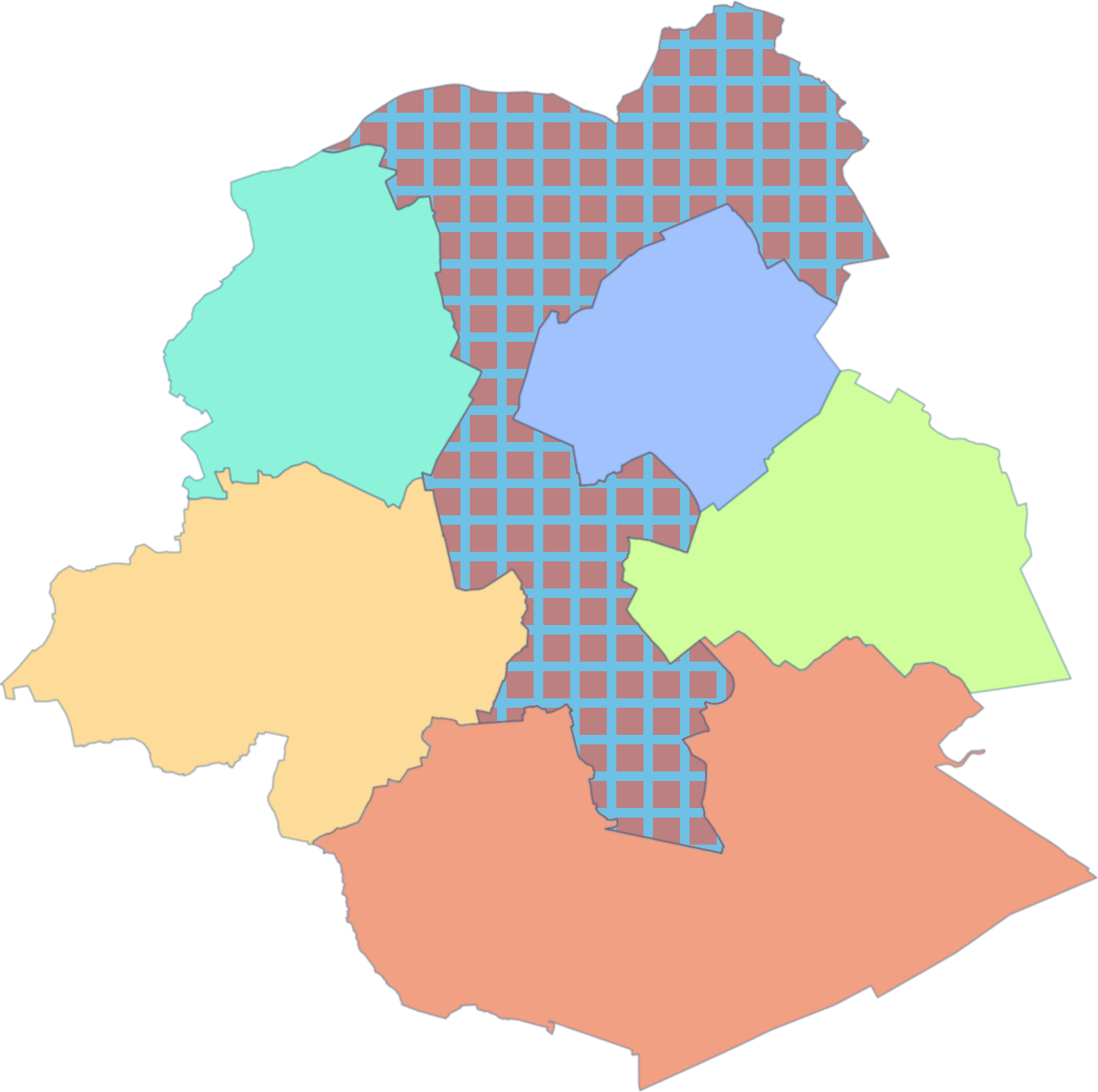
Police Zone Brussels Capital
(City of Brussels and Ixelles)
- Diversity is part of the mission statement in the integrity policy plan.
Link: Publicaties – Lokale Politie - Establishment of diversity working group (2024). In 2024, a diverse steering group comprising colleagues from nine departments, representing frontline and office staff, as well as both French and Dutch speakers, convened to establish the organisation’s diversity and inclusion policy. Through collective brainstorming and subsequent focused working groups, key themes were identified and concrete initiatives proposed, laying the groundwork for our forthcoming external diversity initiatives.
- Working on various themes: age, infrastructure (cf. disability), selection and recruitment, LGBTQ+ and gender, communication and visibility, culture (language, religion, etc.).
- The working group provides structure/framework for developing projects related to diversity.
- Member of the interzonal Diversity Network with Antwerp, Ghent and Mechelen-Willebroek (now Rivierenland) launched at the end of 2017: a practical diversity network with the goal of exchanging best practices and identifying challenges related to diversity in the broadest sense of the word (link: https://www.politie.be/5344/nl/nieuws/ondertekening-handelingskader-professioneel-profileren.)
- Federal training: ‘Holocaust, Police and Human Rights’ in Kazerne Dossin in Mechelen (link: https://kazernedossin.eu/aanbod-item/opleiding-holocaust-politie-en-mensenrechten/)
- Participation in the working group for the development of the board game on ethical dilemmas ‘A Serious Game’. Now finalised, it requires certified trainers to facilitate, and while few are currently certified, several colleagues expressed interest during an Integrity Day and volunteered to train. The game is also offered at police academies, where colleagues can register to participate as players.
- Recruitment policy aims at creating a divers corps:
- Focus on recruiting people from Brussels in collaboration with IOM (International Organization for Migration): job fair in Neder-over-Heembeek.
- R-team = A diverse team that is committed to recruiting others through engagement
- Blue card: distributed by recruiters and neighborhood inspectors to potential candidates to lower the barrier to a police career through personal contact. The card contains a QR code linking to an online form for further interest and provides a direct contact option with the recruiter, aiming to hire more Brussels residents and strengthen the local presence of the police zone.
- Collaboration as a good employer: with the seventh-year vocational training program for security professions.
- Visualisation/representation:
- Present at the ‘Brussels Pride’ with a stand
- Present on 21/7 national holiday of Belgium with a stand about diversity
- Projects to improve the relationship between police and youth:
- Polbru Cadets: a program for young people aged 15 to 18 to intern with the police and gain insight into police work. They act as ambassadors and can determine through the internship wether a career in the police force appelas to them (link: https://polbru.be/polbru-cadets/ )
- Collaboration with schools: students can participate in a citizen internship with the police to immerse themselves in the world of law enforcement and gain a better understanding of the work of a police officer.
- Discussion groups for mothers with young children in the neighborhood: to listen to their concerns and implement concrete actions in response.
- Four liaison assistants, or „Buurtregisseurs,“ have been appointed to connect with youth and other community members across various municipalities. These key figures build strong local networks, acting as contact points and connecting with partners, organisations, and stakeholders. Through their close relationships with the local population and various community actors, they gain a deep understanding of the neighbourhood’s needs, challenges, and opportunities, identifying resources and influential figures to drive positive change.
- Discrimination referents: Since the circular COL13/2013, it is mandatory to train individuals within each police zone on discrimination issues. They thus serve as contact points in case of discrimination. They raise awareness among other employees about existing legislation and can provide advice on the identification and registration of discrimination and hate crimes.
- Possibility of providing a ’Buddy’: someone from an external organisation who supports people with disabilities within the organisation.
- More training on ‘ethics’ = extension of the ‘human rights training’ offered to managers in 2015.
- Diversity working group will propose a diversity plan (cooperation with Actiris)
- Inclusive building design: in the design and layout of the new building, considerations are made for disability and gender, both for colleagues and citizens.